Becoming unwell in an unfamiliar land can be frightening. You can rest assured, however, that healthcare in the Netherlands is of a very high standard. It is still sensible to read up on the Dutch healthcare system as soon as possible. That way, you will know exactly what to do if and when you need some medical attention in the Netherlands.

For general ailments that are not urgent you can visit your local ‘huisarts’: the family doctor, or ‘GP’. Everything you need know about ‘going to the doctors in the Netherlands‘ is covered in this article, from visiting hours to medical bills. If you are advised to obtain some ‘medication in the Netherlands‘, find advice and information about collecting it from a pharmacy or a drugstore here.

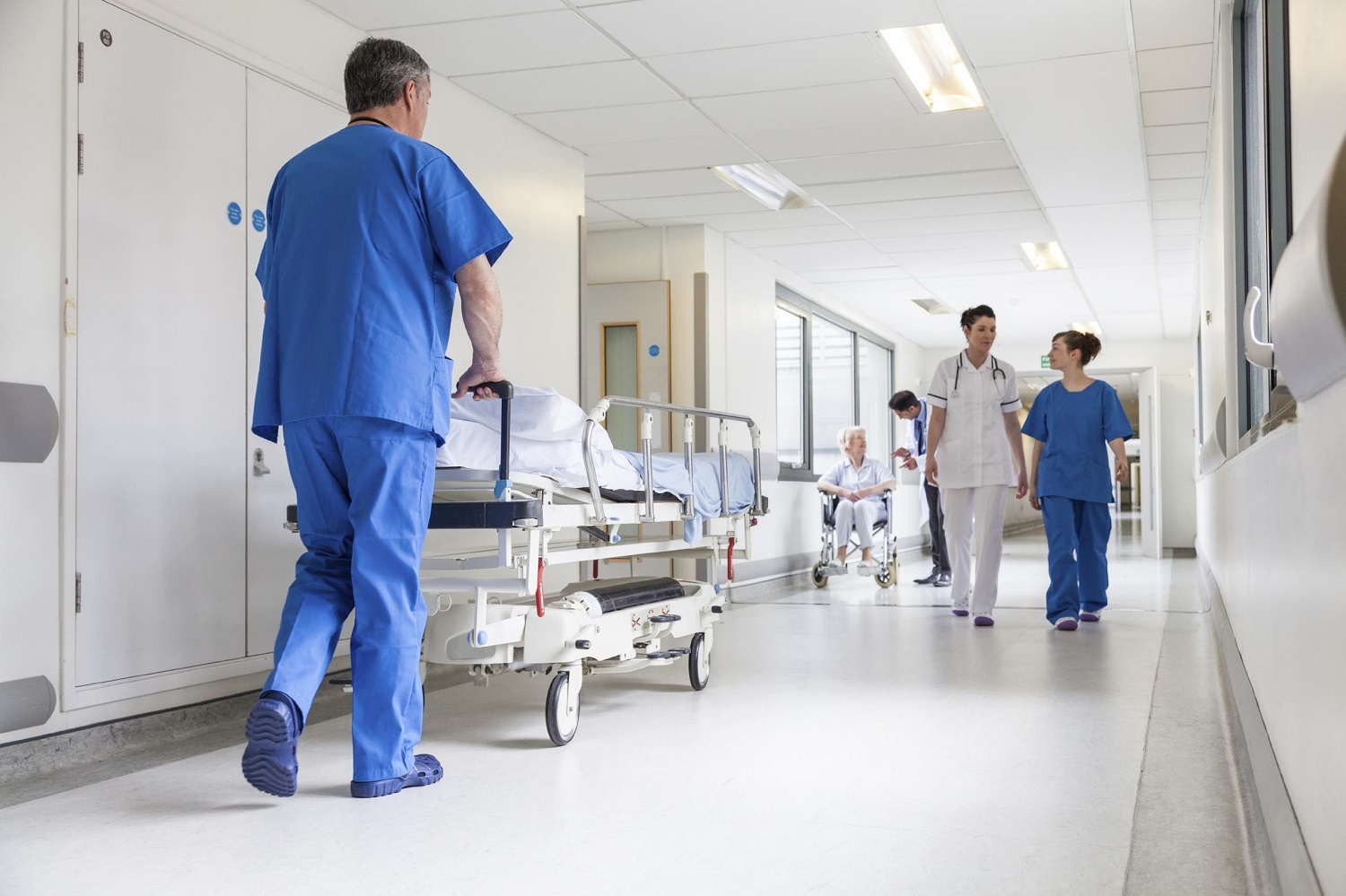
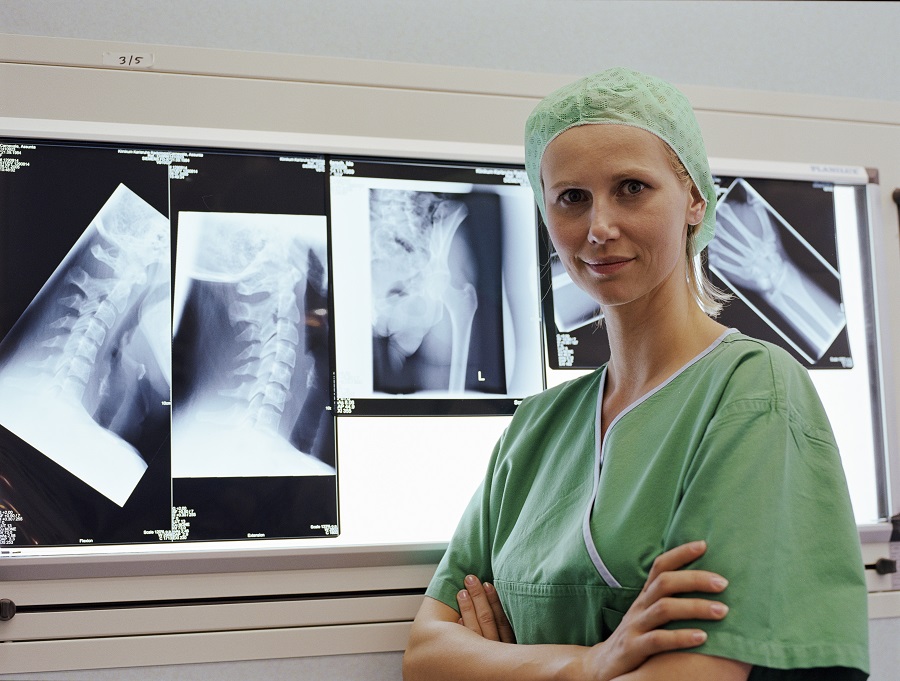
When your condition is more uncommon, your doctor may conclude that you would be better off ‘visiting a Dutch medical specialist‘. In this scenario there are some administrative tasks to take care of, regarding your insurance, so be sure to read up on them. For an affliction that is a little more serious, you might have to go to hospital. Find out what to expect with regards to rooms, beds and admissions in this article on ‘Dutch hospitals‘.

If your condition makes it challenging for you to reach a hospital, then learn more about ‘medical organisations in the Netherlands‘, such as the ‘thuiszorg’ (homecare), who can treat you in your own house.

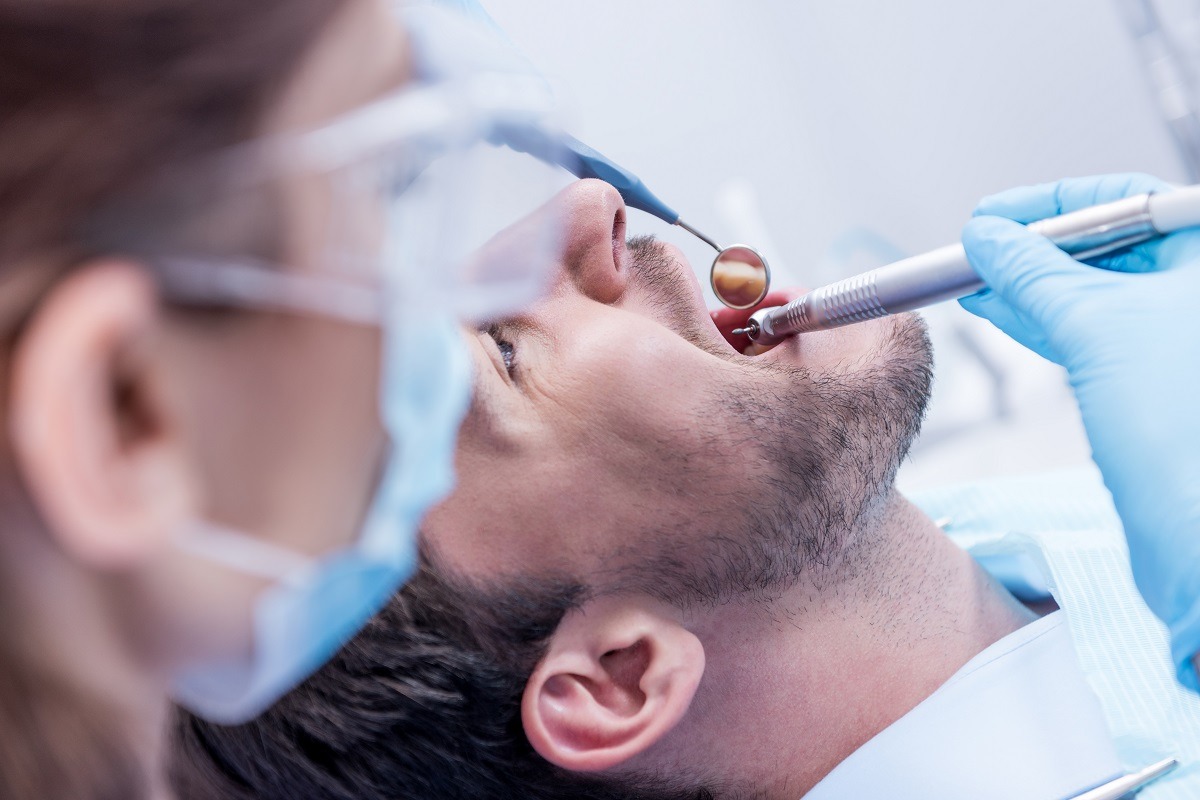
For any ‘other medical issues in the Netherlands‘ you might come up against, consult this article, which covers dentists, mental health, physical therapy and much more.
Recently Posted on XPat.nl

If you’re an expat living and looking for work in the Netherlands then there are some vital differences you should know about in regards to your job applications. In the Netherlands, as with most places in Europe, the norm is a CV rather than the resume which is commonly used in the United States amongst … Continue reading "The Difference Between a Resume and a CV"
It is that time of year again; the new and annually-updated version of The Holland Handbook is here and ready to be enjoyed! Not only that, but this is the 26th edition! More than twenty five years ago, a modest group of three people sat around a table to discuss the possibility of creating a … Continue reading "The Holland Handbook 2026-2027"
What Future Residents Should Know For many people planning a move to the Netherlands, the Inburgering A1 exam is one of the first important steps. If you need to take the basic civic integration exam abroad before joining your partner or starting a new life in the Netherlands, it helps to know exactly what to … Continue reading "Preparing for the Inburgering A1 Exam"
Moving abroad brings exciting opportunities—and new financial responsibilities. For expats relocating to the Netherlands, understanding how the local financial system works can make a significant difference in building stability and avoiding unexpected costs. From housing and taxation to insurance and long-term planning, getting familiar with the essentials early on helps create a smoother transition. One … Continue reading "Financial Planning Basics for Expats Moving to the Netherlands"
Studying in the Netherlands is more than earning a degree; it is an introduction to a distinct social culture. International students often arrive prepared for coursework and exams, but less prepared for the unwritten rules that shape daily life. From direct communication to financial responsibility and structured planning, Dutch student culture follows clear principles that … Continue reading "Dutch student culture decoded: a survival guide for internationals"
One of the opportunities provided to non-Dutch nationals by Dutch law is the option of being self-employed, without the need for an employment permit. As long as you have a residence permit and a talent or knowledge that you wish to offer in self-employment, you have the chance to give it a go. The term … Continue reading "Insurance Options for Self-Employed Persons in the Netherlands"